

Introduction to the Signage Journey
Every sign you see on a storefront, roadside, or building tells a story. But behind that final product lies a detailed journey. From Sketch to Street: How a Sign Goes From Concept to Installation at Universal Signs reveals the step-by-step process that transforms a simple idea into a powerful branding tool.
At Universal Signs, signage isn’t just about printing a logo—it’s about creating a visual experience that captures attention, communicates clearly, and lasts for years. Each stage in the process plays a vital role in ensuring the final result meets both aesthetic and functional goals.
Why a Structured Workflow Matters
A structured workflow ensures:
- Consistent quality
- Efficient project delivery
- Reduced errors and costs
- Better client satisfaction
Without a clear process, signage projects can easily go off track, leading to delays and poor results.
Overview of Universal Signs Approach
Universal Signs follows a proven system built on years of experience. From initial consultation to final installation, every step is carefully planned and executed to deliver high-impact signage solutions.
Step 1: Understanding the Client’s Vision
Every successful project starts with listening.
Brand Identity Analysis
Before any design work begins, the team studies:
- Brand values
- Target audience
- Business goals
This ensures the signage reflects the brand accurately.
Site Assessment
The physical location is equally important:
- Viewing distance
- Lighting conditions
- Surrounding environment
These factors influence design decisions.
Step 2: Concept Development and Ideation
This is where creativity comes to life.
Brainstorming and Sketching
Designers create rough sketches to explore ideas. These early concepts focus on layout, structure, and messaging.
Aligning Design with Brand Goals
Every concept is evaluated against the client’s objectives to ensure it communicates the right message.
Step 3: Design and Visualization
Ideas are transformed into detailed visuals.
Using Design Software
Advanced tools allow designers to create realistic mockups, showing how the sign will look in its actual environment.
Client Feedback and Revisions
Clients review the designs and suggest changes. This iterative process continues until the design is perfect.
Step 4: Material Selection
Choosing the right materials is crucial for durability and appearance.
Indoor vs Outdoor Materials
Outdoor signs require weather-resistant materials like aluminum and acrylic, while indoor signs may use lighter options.
Budget Considerations
Material choices are balanced with the client’s budget to achieve the best value.
Step 5: Prototyping and Mockups
Before full production, prototypes may be created.
Scale Models and Samples
These help visualize the final product and identify potential issues.
Final Design Approval
Once approved, the project moves to production.
Step 6: Production and Fabrication
This is where the sign is physically created.
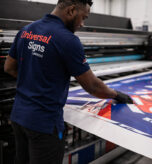
Cutting, Printing, and Assembly
Modern machinery ensures precision in every detail.
Quality Control Checks
Each component is inspected to maintain high standards.
Step 7: Logistics and Planning
Preparation is key to a smooth installation.
Permits and Regulations
Compliance with local laws is essential to avoid delays.
Scheduling Installation
Timing is planned to minimize disruption to the client’s business.
Step 8: Installation Process
The sign is brought to life on-site.
Mounting and Positioning
Proper alignment ensures maximum visibility and impact.
Safety Measures
Installation teams follow strict safety protocols to protect both workers and the public.
Step 9: Final Inspection and Handover
Before completion, everything is checked.
Testing Visibility and Lighting
The sign is tested under different conditions to ensure performance.
Client Approval
The project is handed over once the client is satisfied.
Step 10: Maintenance and Aftercare
A sign’s journey doesn’t end after installation.
Cleaning and Repairs
Regular maintenance keeps the sign looking new.
Long-Term Support
Universal Signs offers ongoing support to extend the lifespan of signage.
Common Challenges in Signage Projects
Design Misalignment
Misunderstanding client expectations can lead to revisions and delays.
Installation Issues
Unexpected site conditions can complicate installation.
Benefits of a Professional Signage Process
Brand Consistency
A structured process ensures your brand is represented accurately.
Cost Efficiency Over Time
High-quality signage reduces the need for frequent replacements.
FAQs
1. How long does the signage process take?
Typically 2–6 weeks depending on complexity.
2. Do I need permits for signage?
Yes, in most locations.
3. What materials last the longest?
Aluminum and acrylic are highly durable.
4. Can I request design changes?
Yes, during the design phase.
5. How is signage installed safely?
Professional teams use proper equipment and safety protocols.
6. Does Universal Signs offer maintenance?
Yes, ongoing support is available.
Conclusion
From Sketch to Street: How a Sign Goes From Concept to Installation at Universal Signs highlights the importance of a well-structured process.
From understanding the client’s vision to final installation and maintenance, every step contributes to creating signage that stands out and delivers results.
A great sign doesn’t happen by chance—it’s built through expertise, planning, and attention to detail. And when done right, it becomes one of the most powerful tools your brand can have.